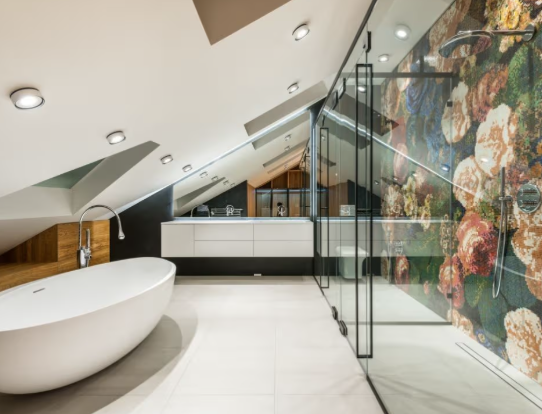
Bathroom lighting improvements hinge on layering: ambient, task, and accent to shape mood while preserving clarity. Warm soft white fosters intimate routines; crisp white supports precise grooming. Focus task light on mirrors and vanities, then profile architectural features with selective accents. Prioritize bath-safe, low-glare LEDs and smart controls with daylight sensing. The result is readable, refined, and efficiently powered—yet the path to balance invites a closer look at the specifics that follow.
How to Layer Bathroom Lighting for Ambience
Layering bathroom lighting involves coordinating multiple light layers—ambient, task, and accent—to create a cohesive, flexible atmosphere. The approach emphasizes ambiance layering, enabling subtle transitions and controlled visibility. Designers select luminaires and placements to support mood based lighting, ensuring balance between shadows and highlights. A precise strategy yields adaptable spaces that feel expansive, refined, and inherently free, without sacrificing functional clarity.
Choosing Color Temperature for Mood and Clarity
Color temperature is a pivotal parameter in shaping mood and readability in a bathroom setting; selecting the appropriate Kelvin range aligns light quality with user needs while preserving color fidelity. In practice, soft white facilitates warm, intimate routines; cool daylight supports precise tasks; warm glow softens evenings; crisp white sustains clarity for grooming, ensuring versatile, aesthetically coherent illumination.
Layout Hacks: Task, Accent, and Bath-Safe Lighting Homes
Layout hacks for bathroom lighting categorize illumination into task, accent, and bath-safe layers to optimize usability and aesthetics. The framework supports deliberate zoning: bathroom task illumination concentrates on mirrors and vanities, while accent lighting profiles architectural features. Bath safe lighting emphasizes enclosure-rated fixtures and low-glare outputs. Practitioners balance luminance, color fidelity, and maintenance, enabling freedom through precise, resilient design choices.
Energy-Efficient Upgrades and Long-Term Savings
The energy efficiency of bathroom lighting hinges on selecting low-power, high-l fidelity sources and implementing controls that minimize waste without compromising ambiance.
Strategic upgrades emphasize LED longevity and consistent lumen output, reducing replacement cycles.
Energy savings accrue through dimming, smart scheduling, and daylight sensing, balancing comfort with responsibility.
Technical assessment guides selection, installation, and maintenance for durable, aesthetically cohesive illumination.
Frequently Asked Questions
How to Measure Existing Ceiling Height for Lighting Placement?
Measuring ceilings involves determining from finished floor to ceiling plane. For lighting placement, the approach relies on precise height data, using a laser or tape measure, ensuring symmetry and proportional spacing to achieve balanced illumination and aesthetic freedom.
See also: Green Technology Innovations Around the World
Are Dimmers Compatible With All Bathroom Light Fixtures?
Dimmer compatibility is not universal; not all bathroom fixtures support dimmers, and some require compatible dimmable bulbs. Careful evaluation of fixture compatibility and dimmer_type prevents flicker, humming, or unsafe load, ensuring aesthetic, functional lighting freedom.
What’s the Best LED Color Rendering Index for Makeup Tasks?
The best makeup lighting typically requires a color rendering index around 90 or higher to ensure color accuracy brushes and skin tones, with neutral white bias; precise, aesthetic evaluation highlights color accuracy and freedom in application.
How to Safely Install Recessed Bathroom Lighting in Tight Spaces?
The answer begins with caution: secure power off and plan clearances, then install recessed fixtures in tight spaces using rated housings. Emphasizes safety badge compliance and reputable tool brands, delivering a precise, aesthetic approach for freedom-loving professionals.
Do Solar-Powered Options Work Well in Bathrooms?
Solar powered options can work in bathrooms, though reliability hinges on fixture moisture rating and storage. Battery operated alternatives offer flexibility; moisture rated fixtures ensure safety. The approach combines energy independence with aesthetic control, appealing to seekers of calculated freedom.
Conclusion
In a carefully engineered bathroom, the convergence of layered lighting and responsive controls reveals coincidence as a design ally. Ambient warmth unexpectedly softens a sharp mirror glare; task lighting aligns with routine timing, and daylight sensing quietly reduces energy use exactly when needed. The result is not mere illumination, but a synchronized system where architectural intent and user habits intersect. The science of light becomes poetry of mood, clarity, and efficiency, guiding every wash toward a harmonious, sustainable ritual.